Credit Cards
Why A Card Is Declined When The Balance Is Fine
Most card declines are decided by fraud and authorisation rules rather than by available credit, which is why a well-funded account can be refused at the terminal.

A card can be refused at the till on an account with plenty of available credit and no arrears. Authorisation is a separate process from creditworthiness, and it fails for its own reasons.
Authorisation happens in a fraction of a second
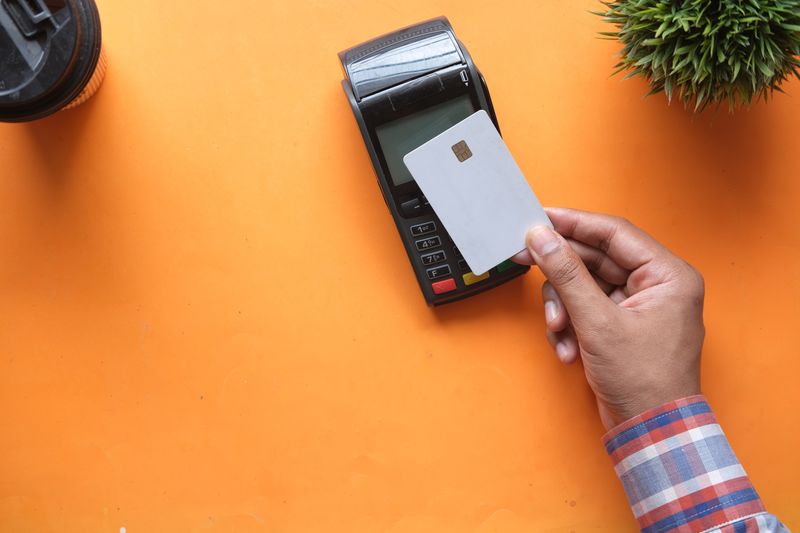
When a card is presented, a message travels from the terminal through the acquirer and the card scheme to the issuer, which answers approve or decline almost instantly.
That answer is produced by rules running on the transaction itself. There is no human involved and no opportunity to explain the context of the purchase.
Because the decision is made in isolation, it uses whatever signals are attached to the message: amount, merchant type, location, channel and the recent pattern on the account.
Fraud rules are tuned to be cautious
Issuers carry the cost of much card fraud, so their models are set to intervene rather than to wait. A transaction that resembles a known fraud pattern is stopped.
Patterns that trigger intervention include a sudden change of country, a small test transaction followed by a large one, several rapid attempts, or a merchant category the account never uses.
The model does not know that the cardholder has travelled or bought something unusual. It sees a deviation from an established pattern and applies the cautious answer.
The merchant's side can fail too
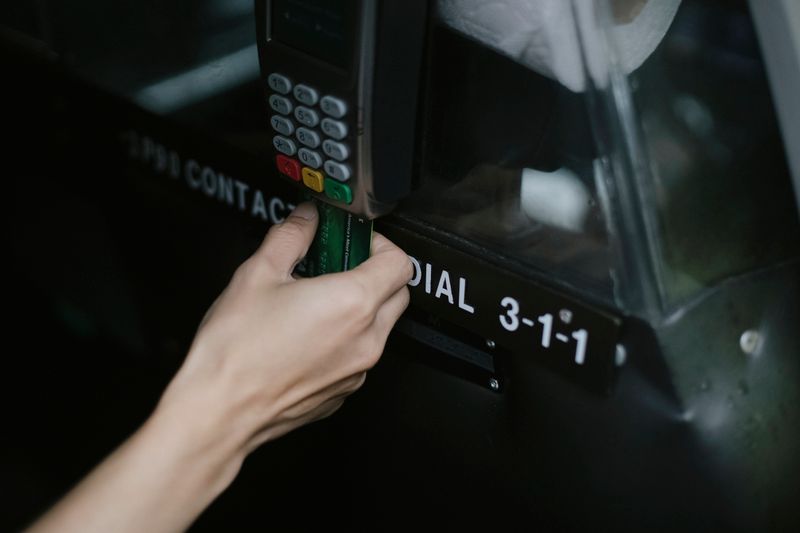
Some declines never reach the issuer. Terminal errors, expired certificates, connectivity problems and acquirer rules can all end an attempt before any account is consulted.
Online, additional checks apply. Address and security-code mismatches, failed authentication steps and mismatched billing details can cause a refusal that has nothing to do with funds.
The message shown to the cardholder is usually generic, because detailed reasons would help anyone testing stolen cards to learn which detail was wrong.
Limits are not the only ceiling
Issuers apply internal ceilings beyond the credit limit: caps on single transactions, on cash withdrawals, on daily totals and on particular categories such as gambling.
Authorisation holds from earlier transactions also reduce what is available, so the balance shown in an app can overstate the amount that will actually authorise.
Where a card is new, recently reissued or not yet activated, some of these ceilings sit lower until the account has established a pattern of ordinary use.
Clearing a block is a separate step
A declined transaction usually leaves a flag on the account, and repeated attempts reinforce it rather than clearing it. Retrying the same purchase often makes the block firmer.
Most issuers resolve this through a verification step: a message to a registered number, an in-app confirmation or a call. The account is released once the cardholder is identified.
Procedures and the protections around them vary by market and by issuer, and the rules governing authentication for online payments in particular differ considerably between jurisdictions.
Questions readers ask
Will rejecting a rate rise damage my credit file?
The closure itself is not adverse. Losing the limit raises utilisation, which can matter in the short term. The interest saving is often larger.
Can the issuer raise the rate on money I already borrowed?
In many regimes, yes, with notice and with a right for you to reject and repay at the old rate. Check the notice and your local rules.