Protection
Authorised push payment fraud and the contested refund
When you were tricked into sending the money yourself, the payment was technically authorised, and that word decides everything afterwards.
The options around authorised push payment fraud are set out side by side below, with the conditions that genuinely favour one over the other.
The difference in one place
- A payment you made yourself is treated differently from an unauthorised one.
- Reimbursement rules for this fraud type vary sharply by country.
- Speed of reporting materially affects whether funds can be recovered.
Why the distinction matters
Payment rules in most countries distinguish sharply between transactions you authorised and transactions made without your authority. Unauthorised transactions generally carry a strong right to reimbursement, subject to limited exceptions such as gross negligence.
Where you were deceived into making the payment yourself, the transaction was authorised in the legal sense even though the purpose was fraudulent. That technical distinction historically left victims of this fraud with far weaker protection than victims of card fraud. Several jurisdictions have introduced reimbursement schemes to address the gap, and the coverage differs considerably between them.
How these frauds are constructed
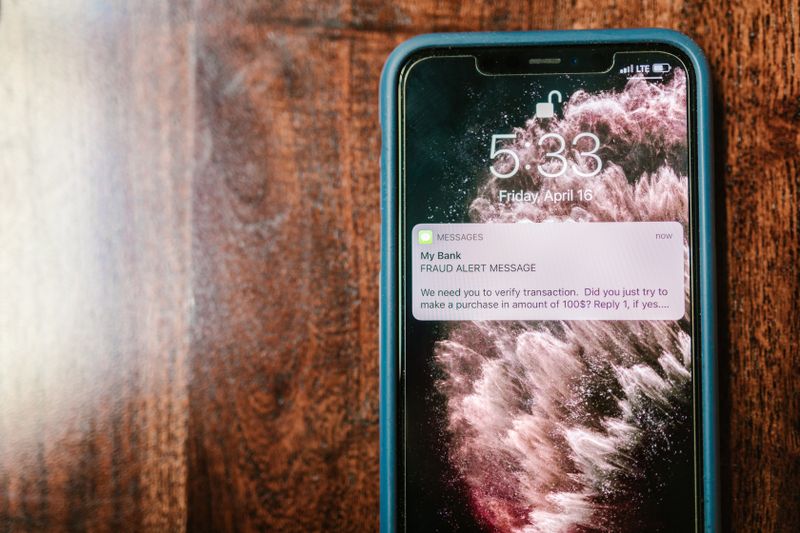
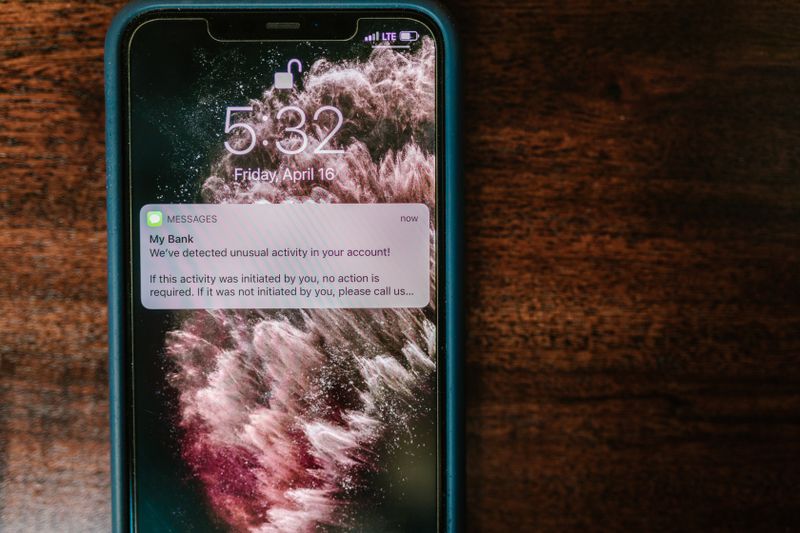
The common pattern involves impersonation of a bank, a public authority, a utility, an employer or a known supplier. Victims are told their account is compromised and are instructed to move funds to a supposedly safe account controlled by the fraudster. Invoice interception is another major variant, where genuine payment details in an expected invoice are altered.
Put simply, urgency and authority are the two levers used consistently, because both suppress the pause in which someone would check. The sophistication is often high, including spoofed telephone numbers, accurate personal details and convincing documentation.
What to do immediately
Contact your bank the moment you suspect it, because funds can sometimes be recalled before they are moved on. Ask explicitly for the payment to be recalled and for the receiving bank to be notified, and record the time of the call. Report to the police or national fraud reporting body, since a crime reference is often required for any claim.
Change credentials for any account the fraudster may have touched, and check for changes to contact details on your accounts. Write down the sequence of events while it is fresh, since the account you give will matter in any dispute about liability.
How reimbursement decisions are made
Where a scheme exists, banks typically assess whether the customer met a standard of caution appropriate to the circumstances. Warnings displayed at the point of payment, and whether they were relevant and specific, are frequently central to the assessment.
Where it helps most, vulnerability is usually a relevant factor, and schemes often provide greater protection where a customer was particularly susceptible. Outcomes vary between banks even under the same rules, which is one reason complaint and ombudsman routes matter here.
Rules in this area are changing in several countries, so the position that applied last year may not apply now.
Challenging a refusal
Ask for the reason in writing, including which specific factor led to the refusal, rather than accepting a general statement. Address that factor directly in a complaint, with the timeline and any evidence about what you were told and shown. Where a bank failed to act quickly on your report, or failed to display effective warnings, say so explicitly.
Escalate to the ombudsman or equivalent body where the internal complaint does not resolve it, since these cases are frequently overturned. Free consumer advice services in many countries assist with these complaints and understand how the schemes are applied.
Reducing the risk
Treat any unexpected instruction to move money as suspect regardless of how convincing the source appears. Verify payment details through a channel you initiated, using contact details you already held rather than any provided in the message.
Where a name-checking service exists on payments, read the result rather than clicking past it. Make a small test payment for any new large recipient where the arrangement permits it. Slowing down is the single most effective control, because every version of this fraud depends on removing the pause.
Side by side
| Consideration | What it means in practice |
|---|---|
| Why the distinction matters | A payment you made yourself is treated differently from an unauthorised one. |
| How these frauds are constructed | Reimbursement rules for this fraud type vary sharply by country. |
| What to do immediately | Speed of reporting materially affects whether funds can be recovered. |
The takeaway
Verify payment instructions through a channel you initiated, report instantly if something goes wrong, and escalate a refusal rather than accepting it.
The version you keep doing is the version that works.
Questions readers ask
If I sent the money myself, can I still get it back?
Sometimes. Several countries have reimbursement schemes for this fraud type, and outcomes depend on the circumstances and the standard of caution applied. Report immediately.
Does reporting quickly actually help?
Yes. Funds can occasionally be recalled before they are moved on, and prompt reporting also strengthens any later claim about how the bank handled it.
Also by Emil Rasmussen
- The score you are shown is not the score lenders useScores & Files
- Utilisation matters more than most people expectScores & Files
- The credit blacklist does not existScores & Files
- How long adverse marks last, and what happens the day they drop offScores & Files