Protection
Scams that specifically target people in debt
Financial difficulty is a marketable signal, and a whole industry buys it. Knowing the pattern is most of the protection.

The points below about debt-related scams are ordered by how much difference they make, not by how often they get repeated.
What matters most
- Upfront fees for debt help or for a guaranteed loan are the clearest warning sign.
- Lead generators sell your details, which is why contact multiplies after one enquiry.
- Every regulated firm can be checked on a public register before you engage.
Advance fee loan fraud
A guaranteed loan is offered regardless of your file, conditional on paying an upfront fee for insurance, an administration charge or a deposit. The fee is taken and no loan arrives, or a further fee is requested.
Legitimate lenders deduct charges from the advance or add them to the balance; they do not require payment before lending. Any request to pay before receiving credit should end the conversation.
Debt write-off promises
Advertising that promises to write off a proportion of your debt is usually describing a statutory insolvency procedure without saying so. Those procedures have serious consequences for assets, some occupations and your credit file, and they are available through free services.
Language implying a government scheme, a deadline or a limited window is a marketing device. Free non-profit advisers will explain the same options and their costs without selling you into one.
Lead generators and data resale
Many debt and loan websites are not providers at all; they collect details and sell them to firms. That is why one enquiry produces a sudden volume of calls, texts and emails.
Put simply, check who you are actually dealing with before entering any details, including on comparison-style sites. Once your details are circulating, expect contact from firms that are not regulated at all.
Impersonation of creditors and collectors
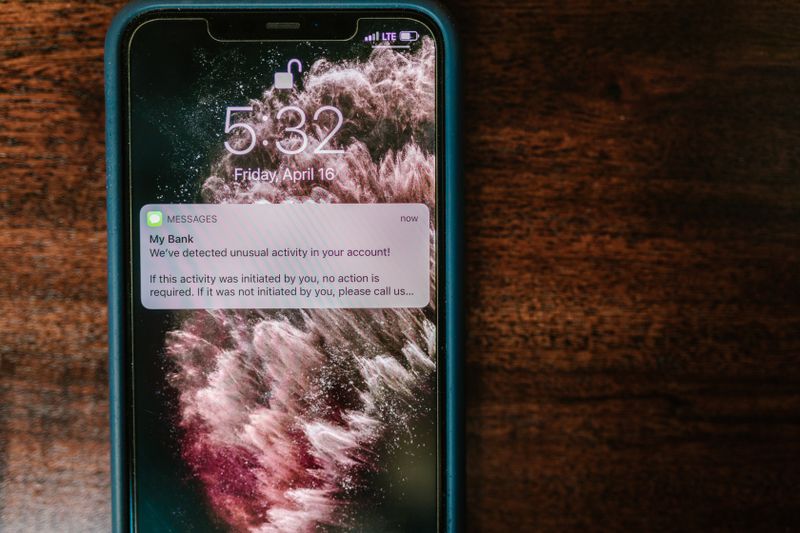
Callers claiming to be from a lender or a court, demanding immediate payment by transfer or vouchers, are a recurring pattern. Genuine creditors do not require payment by unusual methods and do not object to you calling back on a published number.
For most people, never use a number given by the caller; find it independently. People with real debts are more likely to believe the call, which is precisely why they are targeted.
Checking before you engage
Debt advice, debt management and lending are regulated activities in most countries, with public registers. Search the regulator's own site for the firm name and reference, rather than following a link the firm supplied. Clone firms copy the details of genuine businesses, so verify contact details on the register rather than in the email.
Two minutes of checking prevents the majority of these losses.
Adjust the size of it until it is something you would actually do tired.
If you have paid
Contact your bank immediately, because some payment types can sometimes be recalled if reported quickly. Report it to the national fraud reporting body and to the regulator whose registration was misused. Expect follow-up contact from recovery fraudsters offering to retrieve your money for a fee, which is a second scam.
On an ordinary week, being defrauded while in debt is not a failure of judgement; these operations are designed by professionals to work on people under pressure.
Everything above, in order of what to do first
- Advance fee loan fraud. A guaranteed loan is offered regardless of your file, conditional on paying an upfront fee for insurance, an administration charge or a deposit.
- Debt write-off promises. Advertising that promises to write off a proportion of your debt is usually describing a statutory insolvency procedure without saying so.
- Lead generators and data resale. Many debt and loan websites are not providers at all; they collect details and sell them to firms.
- Impersonation of creditors and collectors. Callers claiming to be from a lender or a court, demanding immediate payment by transfer or vouchers, are a recurring pattern.
- Checking before you engage. Debt advice, debt management and lending are regulated activities in most countries, with public registers.
- If you have paid. Contact your bank immediately, because some payment types can sometimes be recalled if reported quickly.
The takeaway
Never pay upfront, never trust a number the caller gave you, and check the regulator's register before engaging with anyone.
Pick the one that costs you least, and let the rest wait.
Questions readers ask
Is it ever normal to pay a fee before getting a loan?
No. Legitimate lenders take charges from the advance or add them to the balance. An upfront payment request is the clearest warning sign there is.
Why do I get so many debt help calls?
Enquiry forms are frequently operated by lead generators that sell contact details. Check who operates a site before submitting anything.