Scores & Files
A business debt can end up on your personal file
The separation between company borrowing and personal borrowing is thinner than most owners assume, and it fails at predictable points.
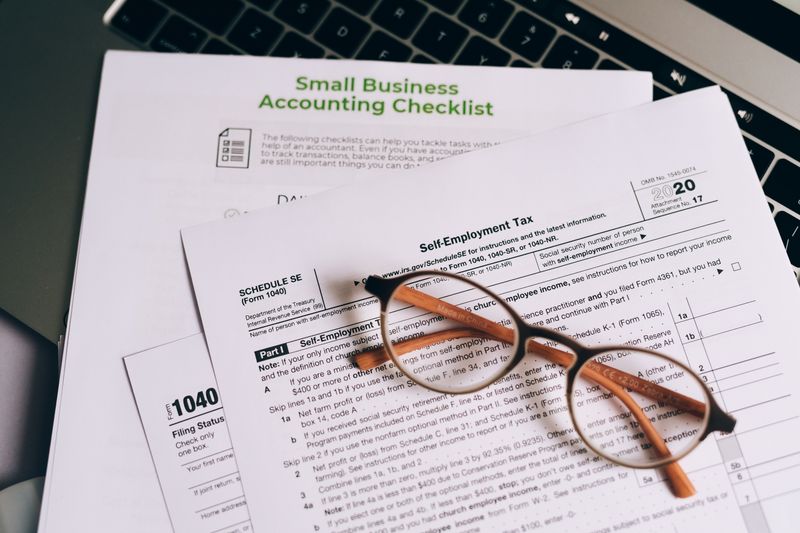
This works through business borrowing and personal files in the order the parts actually depend on each other.
The short version
- Personal guarantees make a business debt personally enforceable.
- Sole traders generally have no separation at all.
- A failed business can leave marks on the owner file for years.
The separation is thinner than it looks
An incorporated company is a separate legal person, which in principle keeps its debts off the personal files of the people who own it. In practice, lenders know a small company has few assets and little history, so they design around that separation quite deliberately. The instruments they use are personal guarantees, director indemnities, joint accounts and personal credit taken out to fund business needs.
Each of these creates a direct route from a business failure to an individual credit file, and owners frequently sign them without noticing. The legal structure stays intact throughout; it is simply that the lender has taken a second promise from a real person.
Personal guarantees
A personal guarantee is a promise that if the business does not pay, you will, using your own assets and income. It typically does not appear on your credit file while the business is paying, because no personal borrowing has yet occurred. Once the guarantee is called, the debt becomes yours, and from that point it is reported and pursued exactly like any personal debt.
On an ordinary week, guarantees are often unlimited in amount or open-ended in time unless negotiated otherwise, and the default drafting favours the lender. Where a guarantee is unavoidable, the terms worth negotiating are the cap, the duration and whether the lender must pursue the business first.
Sole traders and unincorporated businesses
A sole trader is not a separate legal person, so business debts are personal debts from the moment they are incurred. Trade credit, equipment finance and business overdrafts can therefore reach the personal file directly, without any guarantee being signed. Partnerships in many systems go further, making each partner liable for the debts of the others as well as their own.
Put simply, this is a structural feature rather than a lender choice, and it does not change because the business keeps a separate bank account. Anyone trading in this form should assume that every business credit decision is simultaneously a personal credit decision.
Directors, cards and overdrafts
Business credit cards are frequently issued against a director personal guarantee, and some are personal cards presented as business products. Read whose name the agreement is in, because that single fact determines which file the account and any arrears will reach.
Business overdrafts are commonly repayable on demand, which means a lender can withdraw them without the notice a personal facility would require. Using a personal card or loan to fund short-term business needs converts business risk into personal record immediately and completely.
Where the business genuinely needs credit, establish whether any lender will provide it without a personal link before assuming that none will.
What happens when the business fails
On failure, unguaranteed company debts generally die with the company, which is the protection the corporate structure was designed to provide. Guaranteed debts survive and are pursued personally, and the resulting arrears or default appears on the individual file in the normal way.
On an ordinary week, formal insolvency of an individual, as opposed to a company, carries its own public record consequences with their own retention periods. Some countries also impose restrictions on acting as a director after certain insolvency outcomes, which is separate from credit reporting entirely. The mixture of company and personal consequences is unusually country-specific, so local professional advice matters here more than in most credit questions.
If that does not fit your week, it is not a failure of willpower.
Limiting the crossover
Keep a written record of every guarantee signed, including the lender, the amount, the date and any cap, because owners routinely lose track. Ask whether an existing guarantee can be released once the business has built its own trading record, since lenders occasionally agree. Avoid using personal revolving credit as working capital, because it ties the household budget to business cash flow at the worst possible moment.
Where a guarantee has been given, treat the business debt as though it were already on your personal file, since functionally it may be. Anything involving guarantees, insolvency or director duties warrants a qualified professional rather than general reading, because the consequences are durable.
The takeaway
Know exactly which agreements carry your personal name or signature, because those are the ones that will find your credit file if the business stops paying.
Small and repeatable beats ambitious and abandoned, almost every time.
Questions readers ask
Does a company debt show on my personal credit file?
Not usually while the company is paying and no guarantee has been called. Once a guarantee is enforced, or if you trade as a sole trader, it can.
Can I remove a personal guarantee?
Only if the lender agrees to release it or the debt is repaid. Some lenders will consider release once the business has its own record, but none are obliged to.
Also by Emil Rasmussen
- The score you are shown is not the score lenders useScores & Files
- Utilisation matters more than most people expectScores & Files
- The credit blacklist does not existScores & Files
- How long adverse marks last, and what happens the day they drop offScores & Files